The Science Behind Tomorrow's Weather Forecast
Modern weather forecasting represents one of humanity's greatest scientific achievements. What once relied on folklore and observation now harnesses the power of supercomputers, satellites orbiting 22,000 miles above Earth, and artificial intelligence algorithms processing millions of data points every second.
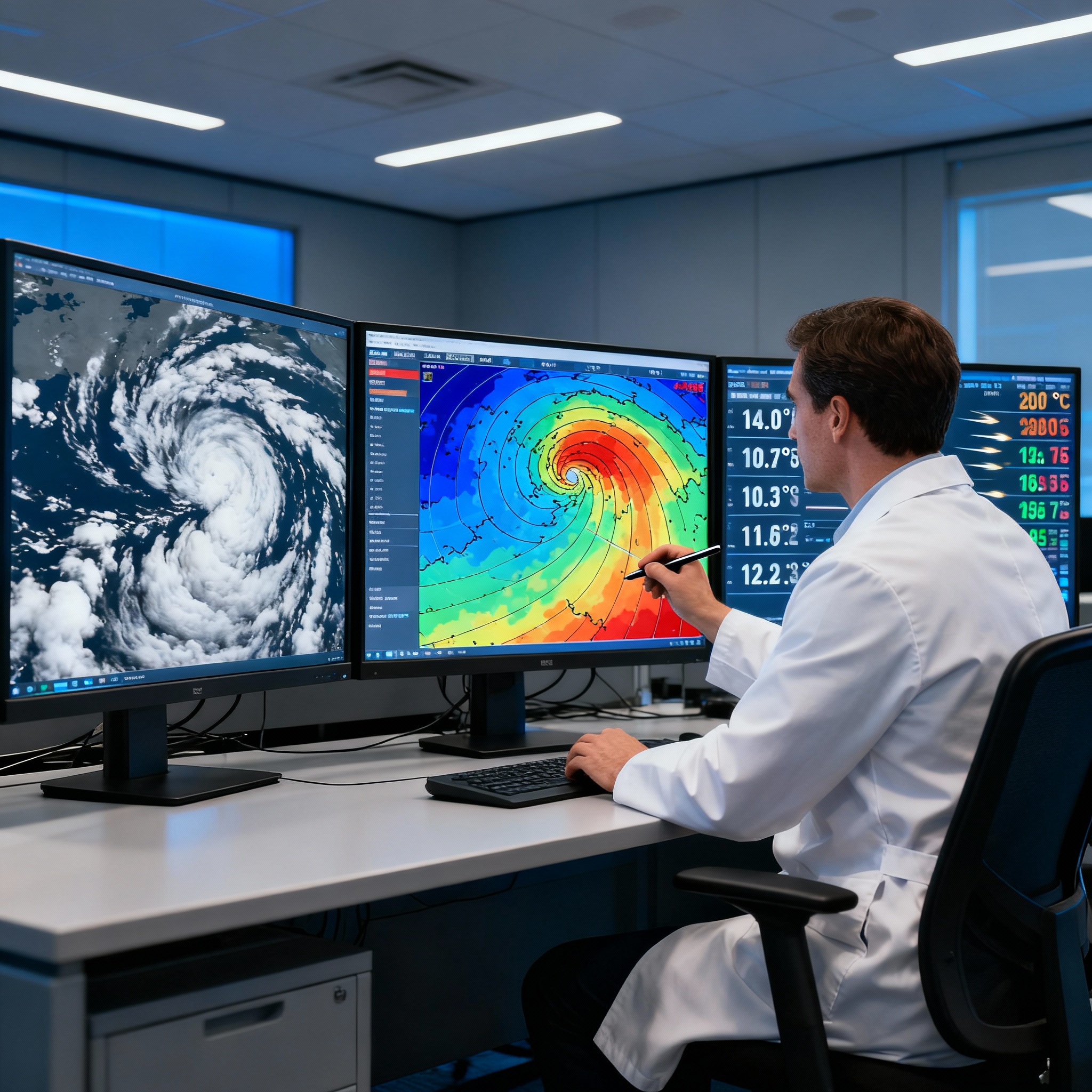
The forecasting process begins with an extensive network of weather observation systems collecting real-time data from around the globe. Automated Surface Observing Systems at airports measure current conditions, while weather balloons launched twice daily capture vertical atmospheric structure. Commercial aircraft equipped with sensors gather data during flights, and Doppler radar systems monitor precipitation patterns across vast regions.
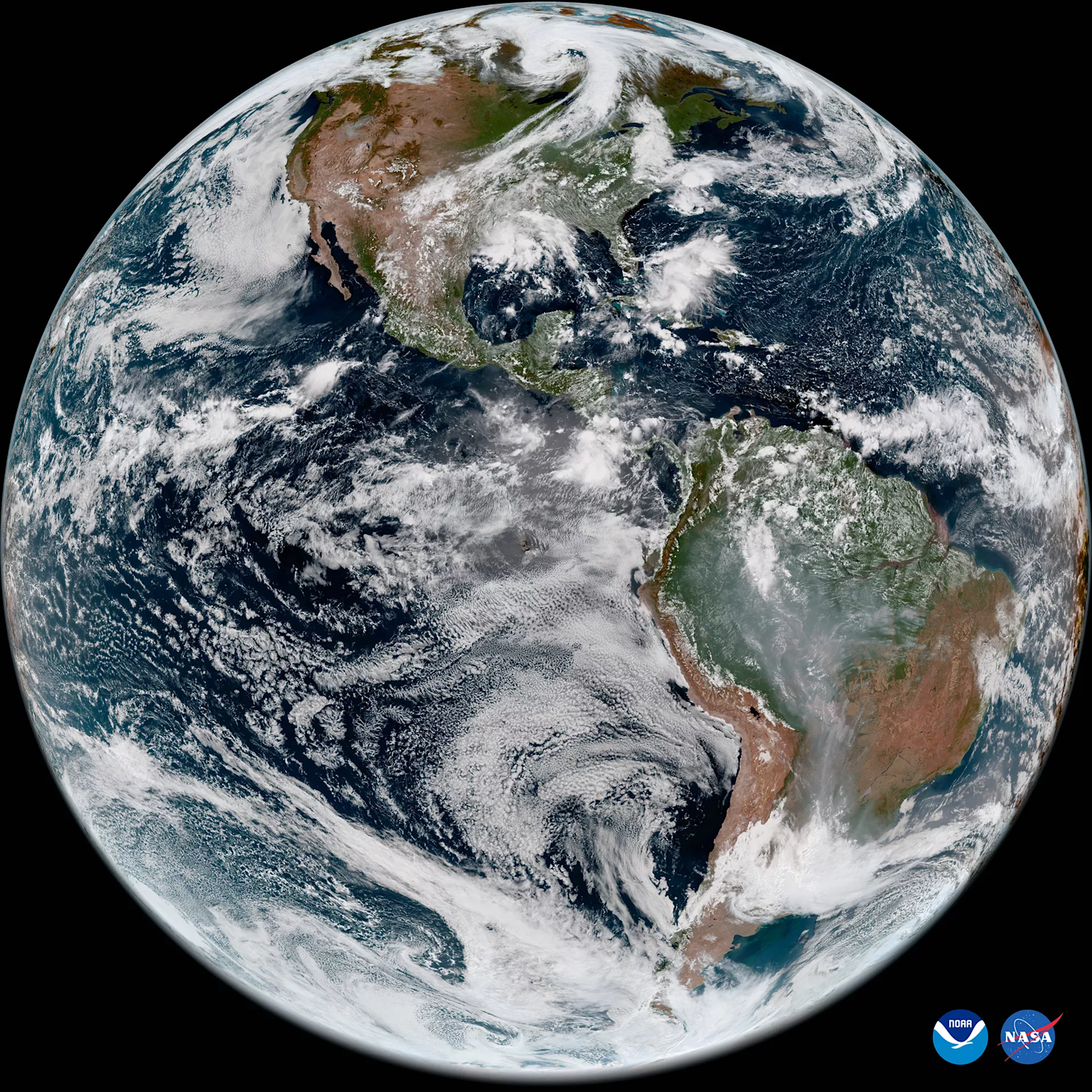
The real game-changer, however, comes from space. Two types of weather satellites work in tandem to provide comprehensive atmospheric coverage. Polar-orbiting satellites circle Earth from pole to pole every 100 minutes, capturing complete global views twice daily and providing up to 85% of local forecast data. Meanwhile, geostationary satellites positioned 22,000 miles above the equator spin at Earth's rotation rate, taking images of the same location every 30 minutes—or even every minute during severe weather events.
AI Revolution: Making Tomorrow's Forecast More Accurate Than Ever
The weather forecasting landscape experienced a seismic shift starting in 2022 when researchers developed deep learning models capable of generating accurate forecasts at speeds "several orders of magnitude faster" than traditional physics-based models. These AI systems can now run on laptops instead of supercomputers, democratizing access to high-quality weather predictions worldwide.

Advanced AI models like Pangu-Weather and GraphCast have matched or outperformed leading physics-based systems for temperature predictions. The computational advantage is staggering—while traditional physics-based systems require thousands of CPU hours for a single forecast cycle, modern AI models accomplish the same task using a single GPU in minutes.
The impact has been particularly dramatic in developing countries where expensive supercomputing infrastructure was previously out of reach. An AI-based model outperformed every other forecasting system in predicting the Indian monsoon in 2025, helping millions of farmers make critical planting decisions. This represents the democratization of weather forecasting, where high-quality predictions are becoming available to everyone regardless of location or resources.
Research publication growth in AI weather forecasting has been explosive, with annual increases averaging 375% between 2011 and 2022. Countries leading this revolution—China (27.5% of publications), the United States (22.7%), India, Germany, and the United Kingdom—are reshaping how the world understands and prepares for weather events.
How Accurate Is Tomorrow's Weather Forecast?
Understanding forecast accuracy helps you make better decisions about tomorrow's plans. In 2025, weather forecasting has reached remarkable precision levels, though accuracy naturally decreases the further ahead you look.
One-day forecasts achieve 97-98% accuracy for temperature predictions, typically within 1-2 degrees of actual conditions. This extraordinary reliability means you can confidently plan outdoor activities, schedule events, or make travel arrangements based on tomorrow's forecast.
Three-day forecasts maintain 93-95% accuracy, with only slight decreases in reliability. At this range, you'll still receive dependable information, though minor adjustments may occur as the date approaches.
Five-day forecasts drop to about 89-91% accuracy, while seven-day forecasts range from 80-85% reliable. To put this in perspective, a modern five-day forecast today matches the accuracy of a one-day forecast from 1980. Similarly, three-day hurricane path predictions now exceed the accuracy of 24-hour forecasts from the 1970s and 1980s.
The chaotic nature of atmospheric systems means forecasts beyond 14 days face fundamental limitations, even with perfect models and data. Small errors double approximately every five days, creating an inherent ceiling on long-range prediction accuracy.
Regional factors also influence accuracy. Forecasts may be slightly less reliable near mountains or oceans due to complex terrain and water interactions affecting local conditions. For the most accurate information about tomorrow's weather, check forecasts frequently as meteorologists continuously update predictions with incoming data.
Tomorrow's Weather Around the World: What to Expect October 28, 2025
As of October 27, 2025, weather patterns vary dramatically across different regions, offering a snapshot of the diverse conditions people worldwide will experience tomorrow.
Taiwan faces moderate rain with temperatures around 22°C/72°F and 20°C/68°F, with 5.5mm of rainfall expected. The island continues experiencing heavy October rainfall, with over 20 rainy days typical for this month. Eastern regions including Taipei and surrounding areas should prepare for wet conditions throughout the day.
Hong Kong expects passing showers with temperatures between 23-24°C (73-75°F) and a 71% chance of precipitation, accumulating about 5mm of rain. The overcast conditions will persist throughout October 28, with winds from the northeast at around 8 mph.
Mainland China forecasts predominantly sunny conditions for October 28, with temperatures ranging from 7°C/45°F to 15°C/59°F depending on location. Beijing and surrounding areas will experience clear skies after several days of variable weather earlier in the month.
California regions present contrasting conditions:
Vallejo: Sunny skies with temperatures reaching 74°F/23°C during the day and dropping to 52°F/11°C at night, with 0% precipitation chance
Huntington Beach: Clear weather with highs of 84°F/29°C and lows of 71°F/22°C, perfect beach conditions
Orange County: Sunny with temperatures peaking at 36°C/97°F—notably warmer than seasonal averages
Europe continues experiencing a temporal dipole pattern, with deep low-pressure systems over Scandinavia and northern regions bringing unsettled conditions, while southern areas see more stable weather. This pattern supports northwesterly flow bringing maritime air masses from the North Atlantic deep into western and central Europe.
Best Weather Apps to Check Tomorrow's Forecast
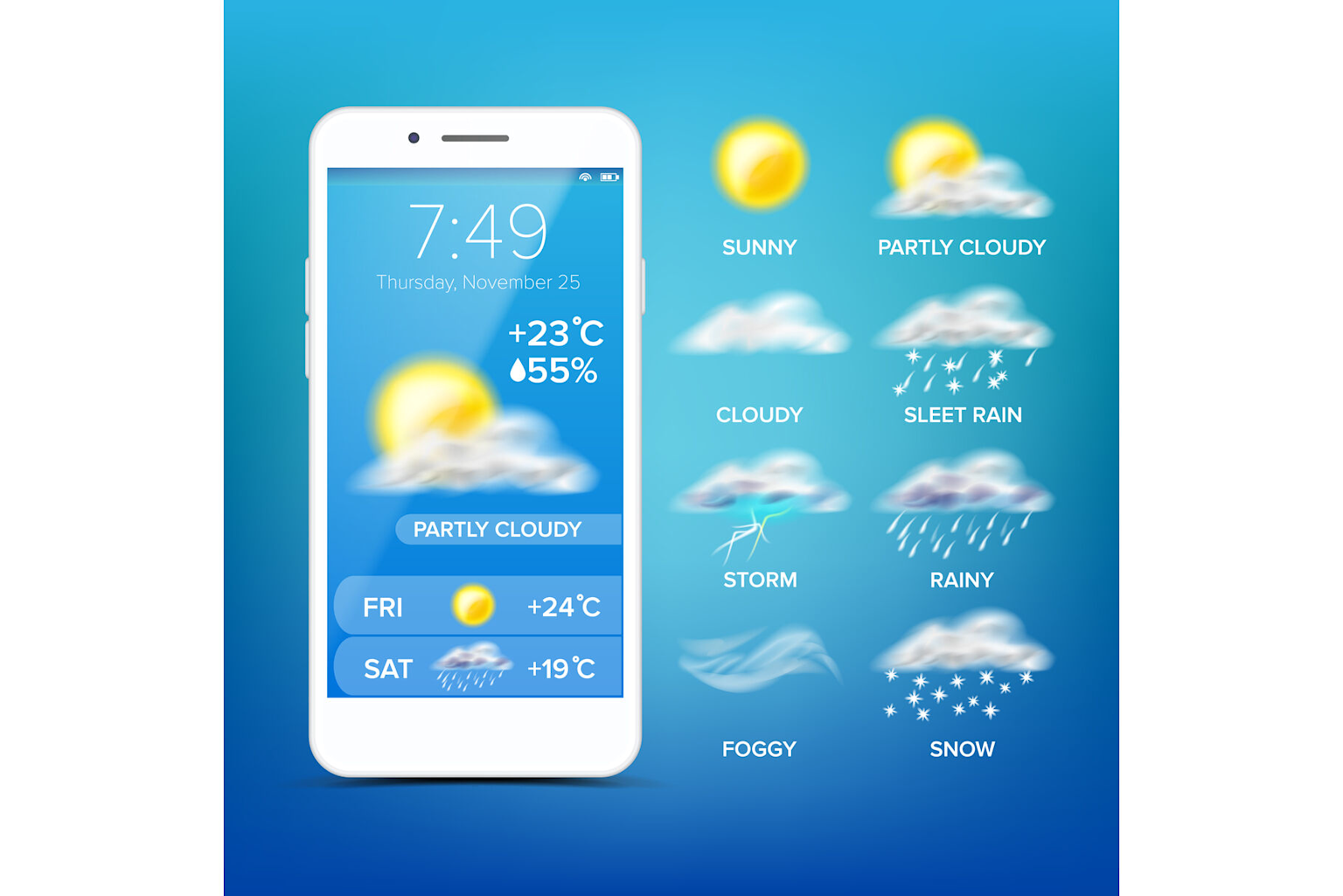
Choosing the right weather app significantly impacts your daily planning. In 2025, several applications stand out for accuracy, features, and user experience.
AccuWeather leads in hyperlocal forecasting with its MinuteCast feature providing minute-by-minute precipitation predictions. Used by 1.5 billion people globally, it achieves 95% accuracy for 24-hour forecasts. The app includes severe weather alerts, radar layers, and compatibility with both iOS and Android, plus Android Auto integration. AccuWeather has maintained its position as the most accurate forecaster in an ongoing 38-year comparison study against the National Weather Service.
The Weather Channel remains the world's most accurate forecaster according to ForecastWatch, analyzing over 600 million forecasts from over 2,000 locations. The company is now nearly 4x more likely to be the most accurate than its closest competitor, up from 2x in 2017. The app provides 15-day forecasts, interactive radar, air quality indices, pollen counts, and weather news videos.
CARROT Weather appeals to users who appreciate personality alongside precision. The app offers multiple data sources (including Apple Weather, AccuWeather, and Tomorrow.io with Premium subscriptions), live radar, next-hour precipitation forecasts, and extensive customization options. Its unique AI personality can be adjusted from professional to entertainingly sarcastic, with features including AR mode, Time Machine for historic weather, and privacy-conscious design.
Weather Underground leverages crowdsourced data from 250,000 personal weather stations, achieving 93% accuracy for short-term forecasts. This network integration provides exceptional hyperlocal detail, particularly valuable for checking conditions in your immediate neighborhood.
Windy excels for weather enthusiasts and professionals requiring detailed analysis. The app provides access to multiple global weather models (ECMWF, GFS, ICON, NEMS), allowing users to compare different forecast sources. Its interactive visualizations and high-resolution forecasts (some as fine as 1km for certain regions) make it ideal for marine activities, aviation, and outdoor planning.
For most users seeking tomorrow's forecast, free versions of these apps provide more than adequate information. Premium subscriptions typically remove advertisements and add advanced features like extended radar overlays and longer-range details.
Reading Natural Signs: Traditional Weather Prediction Methods
Long before satellites and supercomputers, humans developed sophisticated methods for reading tomorrow's weather from natural signs. While modern technology provides superior accuracy, understanding these traditional indicators offers valuable backup knowledge and deeper connection to atmospheric patterns.
Sky color observations remain remarkably reliable. "Red sky at night, sailors delight; red sky in morning, sailors take warning" reflects actual meteorological principles. Evening red skies occur when the setting sun reflects off eastern clouds that have already passed, indicating clearing conditions. Morning red skies show the rising sun reflecting off western clouds bringing rain.
Cloud formations tell detailed weather stories. "When clouds appear like rocks and towers, the Earth's refreshed with frequent showers" accurately describes cumulonimbus clouds—towering behemoths reaching 75,000 feet that precede storms. "Mackerel skies and mares' tails make tall ships carry low sails" references altocumulus and cirrus clouds, the first visible signs of approaching warm fronts bringing storms within 24 hours.
Rings around the sun or moon signal incoming precipitation. These halos form when light passes through ice crystals in the upper atmosphere, either blown from high storm clouds or present in cirrus clouds indicating approaching low-pressure systems. The old saying "ring around the sun or moon, means that rain will come real soon" holds scientific validity.
Cloud movement and characteristics provide additional clues. Fast-moving clouds indicate strong winds aloft, often preceding storms. Lowering cloud bases suggest increasing moisture with imminent rain. Thickening clouds show moisture accumulation signaling heavier precipitation. Isolated, wispy, or very high clouds indicate fair weather, while crowded, dense, dark, towering clouds signal changing or worsening conditions.
For modern applications, combine these traditional observations with radar apps like RainViewer. When you spot thickening altostratus clouds, check real-time radar to confirm incoming precipitation bands. This pairing of visual cues with technology improves forecast accuracy and understanding.
Preparing for Tomorrow's Weather: Practical Tips
Knowing tomorrow's forecast provides value only when you take appropriate action. These practical preparation strategies ensure you're ready for whatever conditions arrive.
Check forecasts early and often. Weather conditions can change rapidly as new data becomes available, so review forecasts multiple times throughout the day before tomorrow. Most weather apps update every 15 minutes, providing the latest information for decision-making.
Dress in layers when temperatures fluctuate or uncertain conditions exist. Start with moisture-wicking base layers (thermal underwear), add insulating mid-layers (wool sweaters), and top with waterproof, wind-resistant outer layers. This system allows easy adjustment as conditions change throughout the day.
Prepare emergency supplies for severe weather possibilities. Vehicle emergency kits should include blankets, flashlights, first-aid supplies, non-perishable food, water, and in winter, items like ice scrapers, sand or cat litter for traction, and extra warm clothing. Home preparations include working smoke alarms, carbon monoxide detectors, and alternative heating plans that avoid fire hazards.
Adjust travel plans based on weather severity. Whenever possible, avoid traveling during winter storms or severe weather events. If travel becomes necessary, choose public transportation over driving when available, allow extra time, and inform others of your route and expected arrival.
Secure outdoor items before severe weather. Move valuable objects inside or under sturdy structures, close windows and doors, and secure loose objects that could become projectiles in high winds. These simple steps prevent property damage and reduce hazards.
Monitor continuous updates during rapidly changing conditions. Enable severe weather alerts on your smartphone to receive immediate notifications about watches and warnings in your area. These timely alerts provide crucial lead time for protective action.
Plan alternate activities for weather-sensitive events. Having backup indoor options when outdoor plans face questionable forecasts reduces disappointment and ensures enjoyable experiences regardless of conditions.

Weather vs. Climate: Understanding the Difference
Confusion between weather and climate often arises in discussions about forecasts and atmospheric conditions. Understanding the distinction clarifies what meteorologists can predict about tomorrow and what remains uncertain long-term.
Weather describes short-term atmospheric conditions—the mix of events happening over minutes, hours, days, or weeks in specific locations. When you check tomorrow's forecast, you're examining weather: temperature ranges, precipitation chances, wind speeds, humidity levels, and cloud cover for the next 24 hours.
Climate represents the average weather patterns over long periods—typically 30 years or more—in particular regions. Climate describes what you generally expect: hot, humid summers in the Southeast; cold, snowy winters in the Northeast; or mild, rainy conditions in the Pacific Northwest.
The relationship between them follows a simple principle: Climate is what you expect, weather is what you get. Climate tells you what types of clothes to keep in your closet; weather tells you what to wear each day.
This distinction matters for forecasting because atmospheric conditions vary dramatically by timeframe. Meteorologists can predict tomorrow's weather with 97-98% accuracy, but climate patterns spanning decades involve different analytical approaches and greater uncertainty. Short-term weather changes don't necessarily indicate climate shifts, just as a cool August day doesn't disprove general summer warmth.
Both weather and climate affect the troposphere—the lowest atmospheric layer where we live and where temperature, precipitation, wind, and other conditions directly impact daily life. Together, they form our complete understanding of Earth's atmospheric behavior across all timescales.
The Future of Weather Forecasting: What's Next?
Weather prediction technology continues advancing at remarkable speed, with several emerging developments promising even greater accuracy and accessibility for tomorrow's forecasts and beyond.
Expanded AI applications are rapidly reshaping forecasting across all timescales. The World Meteorological Organization has initiated multiple pilot projects including AI for Nowcasting (first few hours), Data-Driven Weather Forecasting for All (DDWF4All) providing high-resolution information from global to local scales, and AI Weather Quest advancing subseasonal to seasonal (S2S) forecasting quality. These initiatives aim to deliver universal early warning systems, particularly benefiting Least Developed Countries and Small Island Developing States.
Enhanced computational power enables increasingly sophisticated models. Where meteorologists once modeled Earth in 90-kilometer squares, current systems operate at 1.5-kilometer resolution. Faster processing speeds accommodate these detailed calculations, capturing atmospheric complexity with unprecedented precision.
Improved observation networks provide richer data inputs. Expanded satellite coverage, higher-density land-based stations, and precision instruments deliver more extensive, higher-resolution observations feeding forecast models. The Internet of Things amplifies data collection through connected devices, sensors, and mobile applications generating real-time weather updates.
Hyperlocal forecasting represents the next frontier. Technologies like Xweather Optimize use machine learning trained on local sensor observations to deliver forecasts for specific locations, achieving average 50% accuracy improvements across deployed sensors with 15-minute update intervals. This granular approach ensures predictions match conditions at exact sites rather than broader regions.
Ensemble forecasting methods continue evolving to quantify prediction uncertainty. Running multiple forecast scenarios helps meteorologists gauge confidence levels and obtain useful results further into the future than single-model approaches allow. This technique acknowledges inherent atmospheric chaos while maximizing forecast utility.
The democratization of forecasting technology means high-quality predictions about tomorrow's weather are becoming universally accessible regardless of geographic location or economic resources. This revolution promises better preparation, reduced weather-related disasters, and improved agricultural decisions supporting food security worldwide.
Frequently Asked Questions
Conclusion: Making Tomorrow's Weather Work for You
Understanding tomorrow's weather has evolved from guessing games and folklore into a sophisticated science achieving remarkable 97-98% accuracy for next-day predictions. The convergence of satellite technology orbiting thousands of miles above Earth, artificial intelligence processing millions of data points per second, and supercomputers running complex atmospheric models has revolutionized our ability to peek into the meteorological future.
Whether you're planning outdoor activities, scheduling important events, making agricultural decisions, or simply deciding what to wear, modern weather forecasting provides the reliable information needed for confident choices. The proliferation of accurate weather apps—from AccuWeather's minute-by-minute predictions to The Weather Channel's proven global accuracy to Windy's detailed multi-model comparisons—ensures everyone can access professional-grade forecasts on smartphones.
The weather forecasting revolution continues accelerating, with AI-driven models democratizing access to high-quality predictions worldwide and particularly transforming forecasting in developing countries previously lacking expensive infrastructure. As computational power increases, observation networks expand, and machine learning algorithms grow more sophisticated, tomorrow's weather forecasts will only become more accurate, detailed, and accessible.
The ancient question "明天的天氣" (tomorrow's weather) now receives answers with unprecedented precision. By combining cutting-edge technology with practical preparation strategies, you can confidently face whatever atmospheric conditions tomorrow brings—whether brilliant sunshine, gentle rain, or dramatic storms. The sky's story unfolds continuously, and humanity has finally learned to read it with remarkable clarity.